Building the Outstanding Made-to-Order Fruit and Vegetable Boxes: A Methodical Tutorial
Designing custom produce boxes calls for a strategic approach. Professionals must consider environmental impact, practicality, and visual appeal. Choosing the right materials is vital for preserving freshness and advancing eco-friendly methods. Moreover, size and shape can significantly affect usability and shipping efficiency. Impactful graphics enhance brand recognition, while detailed testing guarantees durability. Understanding these elements will reveal key insights into creating remarkable packaging strategies that appeal to customers. What follows is essential to achieving those objectives.
Choosing the Right Components for Custom Produce Boxes
When determining materials for custom produce boxes, it is important to examine both functionality and environmental consideration. The type of material substantially impacts the box's durability, weight, and capacity to defend the contents. Common materials comprise corrugated cardboard, which offers strength and is able to be reused, making it a popular choice for environmentally conscious businesses. Compostable see the full story options, such as molded pulp or plant-based plastics, also align with eco-conscious practices while providing adequate protection for delicate produce.
Moreover, moisture resistance is indispensable for keeping quality consistent, causing some vendors to assess treated materials or particular protective applications. The aesthetic appeal of the box cannot be dismissed, since brand positioning and graphical elements can shape consumer perception. Ultimately, the best option should balance between protecting the produce, appealing to customers, and adhering to environmental standards, confirming that performance and sustainable practices are emphasized within the development procedure.
How to Choose Size and Shape for Operational Use?
When deciding on the size and shape of custom produce boxes, careful assessment of produce measurements is crucial for proper storage. Additionally, attention to handling and transport can affect the box design, ensuring ease of movement. Optimizing storage space utilization further enhances functionality, allowing for effective presentation and organization.
Review Produce Dimensions With Care
Picking the optimal size and shape for produce boxes is necessary for efficiency and effectiveness. Detailed assessment of item dimensions is critical, as it ensures that products fit snugly without excess room that might cause damage during shipment and storage. Purpose-built boxes need to accommodate diverse configurations, from delicate berries to substantial vegetables, while maintaining strength. Moreover, the height and width of the boxes should promote stacking and systematic arrangement, utilizing space in storage locations. A skillfully made box not only guards the produce but also enhances visual appeal for purchasers. In conclusion, careful consideration of dimensions contributes to reducing waste and improving overall user experience in the supply chain.
Think About Handling and Transport
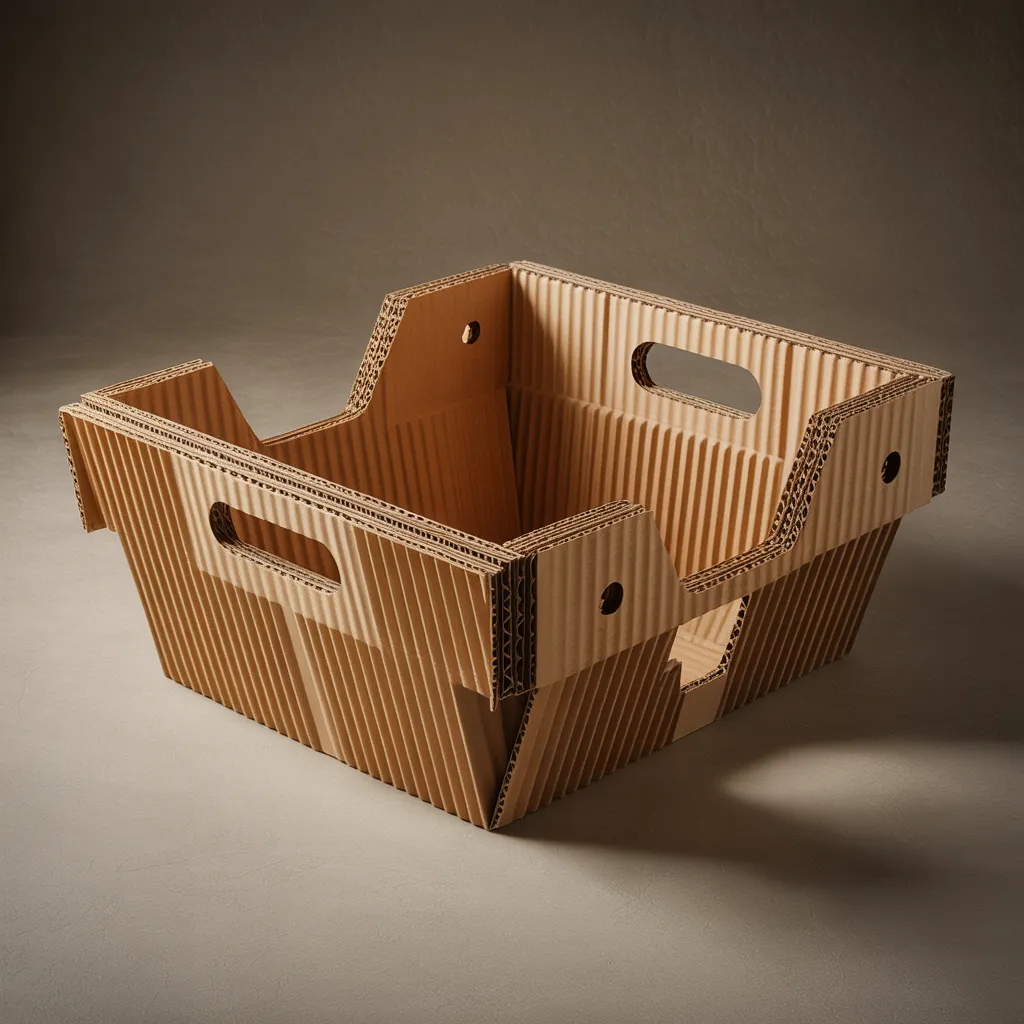
Handling and transport aspects play a significant part in determining the appropriate dimensions and shape of bespoke produce boxes. The dimensions need to accommodate the items with no excessive area, that could cause movement and damage in transport. Small boxes facilitate simpler management, whereas big containers might be essential to handle bulkier products. Additionally, ergonomic design is important; handles and access ought to get deliberately placed in order to enable easy lifting and carrying. The shape relating to the box also determines stacking with steadiness, ensuring which goods stay intact. Ultimately, thorough thought of such factors enhances the efficiency in shipping, minimizes item loss, and maintains the overall soundness concerning the produce beginning at field to buyer.
Improve Retail Space Management
Efficient shelf space usage relies upon selecting the appropriate size and shape of tailored fruit and vegetable containers. Designers should consider the dimensions of the storage racks as well as the varieties of produce being stored. Square-sided boxes often optimize space efficiency, allowing for easier arrangement and organization. Conversely, unique shapes can enhance visual appeal but may result in unused areas if not carefully planned.
It's vital to scrutinize the inventory turnover rate; products with slower velocity might take advantage of smaller, conveniently accessible containers. Furthermore, introducing modular or adjustable designs can accommodate varying product dimensions while refining shelf layout. By centering on aesthetic and functional qualities, retailers can develop a practical and aesthetically pleasing presentation that enhances both product accessibility and visibility.
How to Create Graphics That Grab Interest?
Striking graphics can turn a simple custom produce box into a artistic creation that captures focus. To accomplish this, designers should start by choosing a color palette that reflects the crispness and liveliness of the produce. Bright, eye-catching colors can evoke feelings of freshness and health, driving consumers to take a deeper glance.
Bold typefaces proves equally vital; readable typefaces can properly convey crucial details while enhancing visual appeal. Additionally, leveraging high-quality images of the merchandise can create an immediate connection, showcasing the product's quality and motivating prospective clients.
Furthermore, incorporating unique patterns or illustrations can help set apart the brand in a busy market. Consistency in design elements, such as logos and taglines, reinforces brand identity. Ultimately, a blend of inventiveness and precision in graphic design can greatly elevate the impact of custom produce boxes, making them gain attention on shelves.
Eco-Friendly Practices for Personalized Produce Box Packaging Solutions
A growing number of enterprises are adopting green techniques for custom produce box packaging, recognizing its importance in today's environmentally conscious market. These practices often include the use of organic materials, such as recycled paper and plant-based plastics, which decrease environmental impact. Companies are also focusing on sustainable sourcing, ensuring that materials are obtained from responsibly managed forests or suppliers who prioritize environmental stewardship.
Also, many brands are selecting minimalist approaches that lower waste while still successfully showcasing their products. This method not only attracts eco-minded consumers but also helps in decreasing production costs. Moreover, businesses are progressively implementing efficient manufacturing processes that restrict energy consumption and waste generation. By integrating these sustainable practices, companies not only strengthen their brand image but also contribute positively to the planet, aligning their operations with a sustainable future.
Inspect Your Custom Produce Box Structure
Testing the layout of personalized vegetable containers is an essential step in ensuring they satisfy both visual and functional requirements. This procedure usually involves evaluating elements such as durability, dimensions, and usability. First, samples must be developed to assess the box's physical stability, making certain it can endure transportation and keeping without damaging the products.
Following this, usability assessments can be carried out to measure how smoothly the boxes can be opened, closed, and stacked. Comments from target consumers can be essential in this period, delivering knowledge of the box's usefulness.
Additionally, the design's visual appeal should be tested through focus groups or surveys, assessing consumer reactions to brand design elements, colors, and total visual presentation.
Ultimately, extensive testing enables designers to improve the box, ensuring it not only attracts customers but also properly safeguards and showcases the produce within, striking the right balance between form and function.
Effectively Promoting Your Personalized Produce Boxes
Effective marketing of custom vegetable containers calls for a strategic approach that stresses their unique features and benefits. Businesses should prioritize identifying their target audience, whether they are local farms, grocery stores, or individual consumers. Utilizing social networking sites can boost market visibility, displaying the boxes' design and practicality through engaging visuals and storytelling.
Additionally, teaming up with neighborhood advocates and farming professionals can strengthen credibility and enlarge reach. Delivering promotions or discounts during seasonal peaks can capture early customers and support sustained patronage.
Furthermore, promoting sustainability and eco-friendliness in marketing materials can appeal to sustainability-focused buyers. Communicating in-depth information about the materials used and the advantages of custom packaging can further set apart the product in a saturated marketplace.
In the end, a detailed promotional approach that blends digital and grassroots undertakings will efficiently promote custom produce boxes, appealing to a wide-ranging clientele and driving sales.
Commonly Requested Queries
What Are the Costs Connected With Custom Produce Box Design?
Costs related to custom produce box design include materials, printing, workforce expenses, and shipping. Additionally, design work and minimum order quantities can affect overall expenses, resulting in varying pricing based on specific requirements and manufacturing volume.
How Long Does Production of Bespoke Boxes Require?
Creating bespoke boxes usually takes two to six weeks in production. Multiple elements that influence this timeframe are complexity of the design, material availability, and production capability, each of which may influence delivery timelines and lead times.
Can I Purchase a Small Amount of Personalized Produce Boxes?
Yes, small quantities of bespoke produce containers can generally be ordered. Many suppliers offer minimum order quantities, permitting businesses or individuals to acquire tailored packaging solutions without needing to commit to large amounts from the beginning.
Which Common Missteps Should Be Avoided in Custom Box Design?
Common mistakes in custom box design include neglecting functionality, ignoring brand consistency, downplaying material quality, overlooking target audience preferences, and neglecting environmental impact. Each aspect is critical for quality packaging and customer satisfaction.
What Steps Should I Take to Guarantee My Boxes Are Food Safe?
To verify boxes are food-safe, one needs to select substances qualified for food contact, avoid toxic inks and adhesives, copyright cleanliness during production, and regularly test for compliance with health regulations and safety standards.